Climate Change: Resilience and Energy in the Niterói and Rio de Janeiro Regions - A Conversation on Climate Change and Urban Resilience
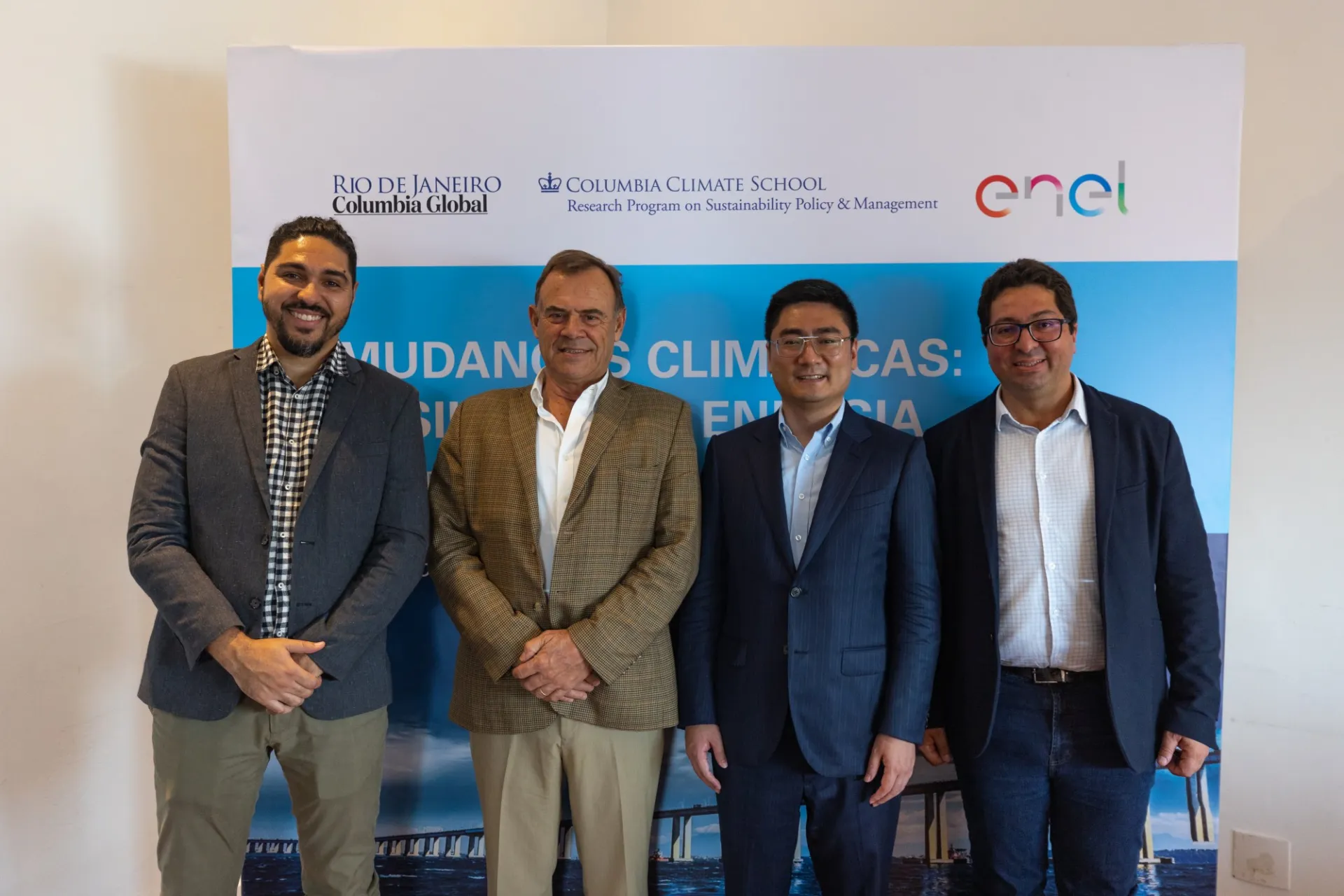
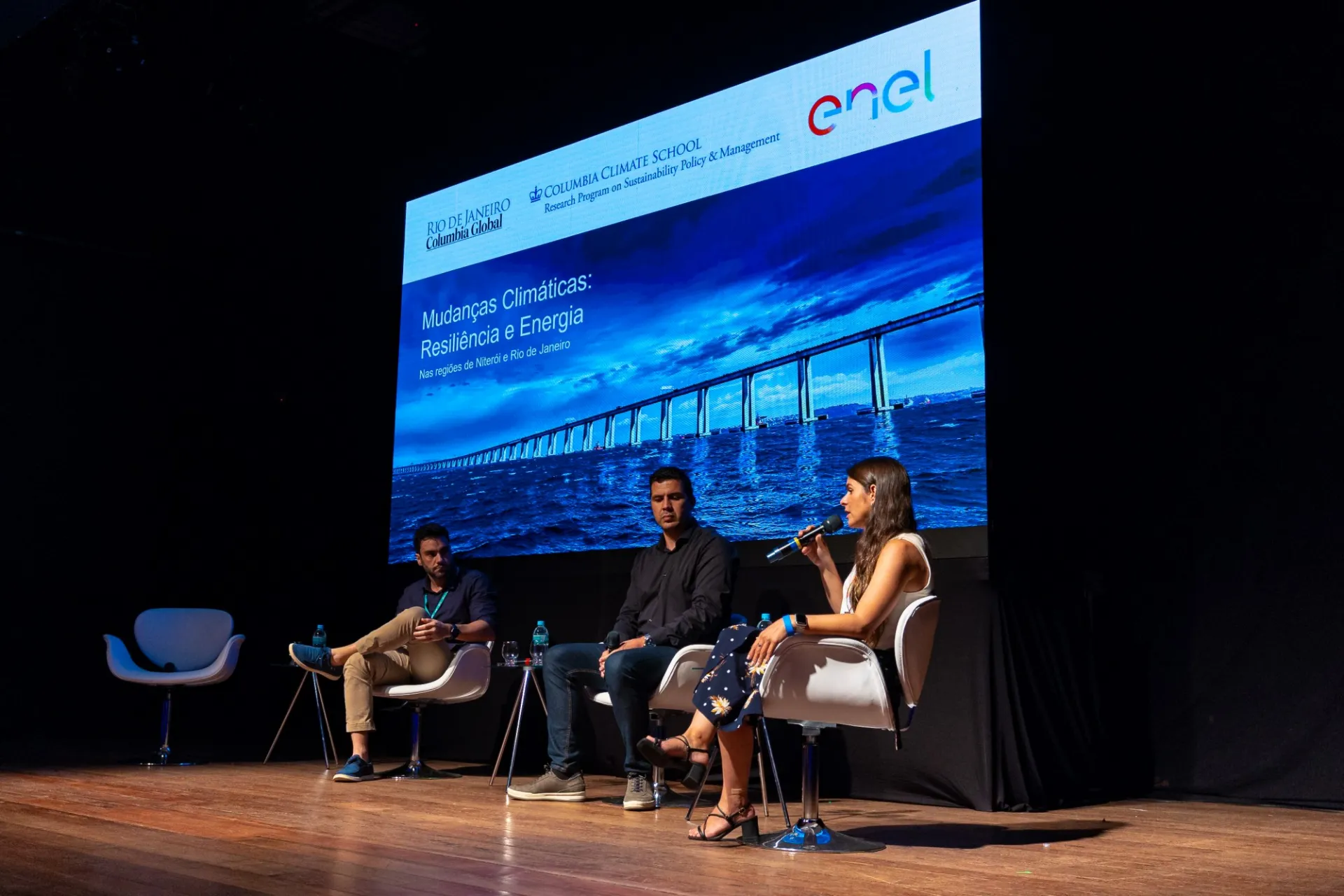
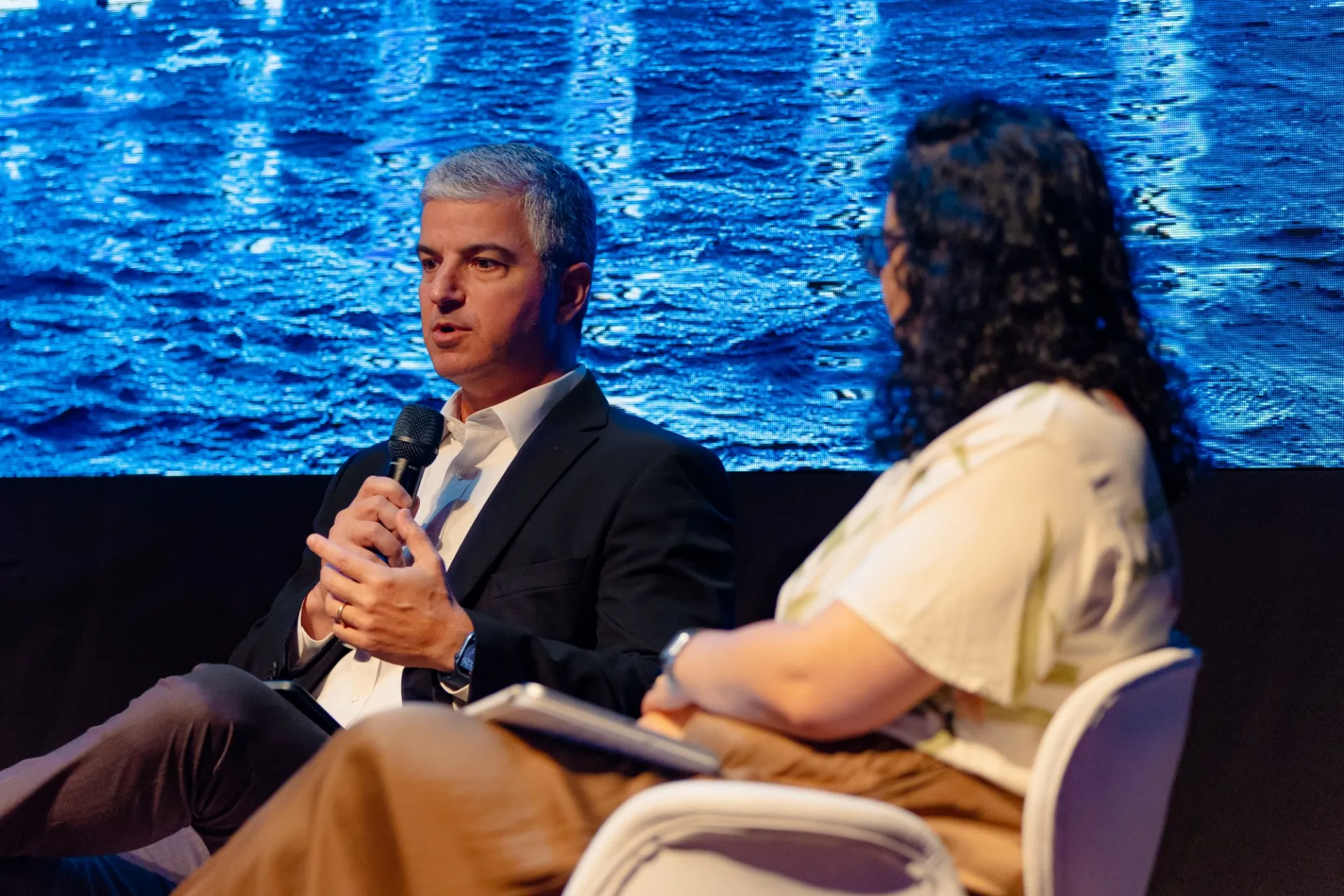
In late April 2024, the Research Program on Sustainability Policy and Management, Enel Brasil and Enel Rio organized the 'Climate Change: Resilience and Energy in the Niterói and Rio de Janeiro Regions' conference in Casa G20 and the Columbia Global Center Rio de Janeiro. The conference included participants from academia, local communities, municipalities, state and federal organizations, NGOs and private corporations.
As severe weather events increasingly impact Brazil, raising awareness of climate change is crucial. The Niterói and Rio de Janeiro regions, along with neighboring cities, are experiencing the effects firsthand, with winds over 93 miles per hour, frequent flooding, and temperatures reaching 143 degrees Fahrenheit. Addressing climate change is an urgent necessity. Local socioeconomic disparities further complicate efforts to reach the community and spread climate knowledge.
This conference aims to bring together individuals from diverse backgrounds to learn, ask questions, and engage in discussions in a safe environment.
Image Carousel with 7 slides
A carousel is a rotating set of images. Use the previous and next buttons to change the displayed slide
-
Slide 1: Climate Change: Resilience and Energy in the Niteroi and Rio de Janeiro Regions Conference, April 2024
-
Slide 2: Climate Change: Resilience and Energy in the Niteroi and Rio de Janeiro Regions Conference, April 2024
-
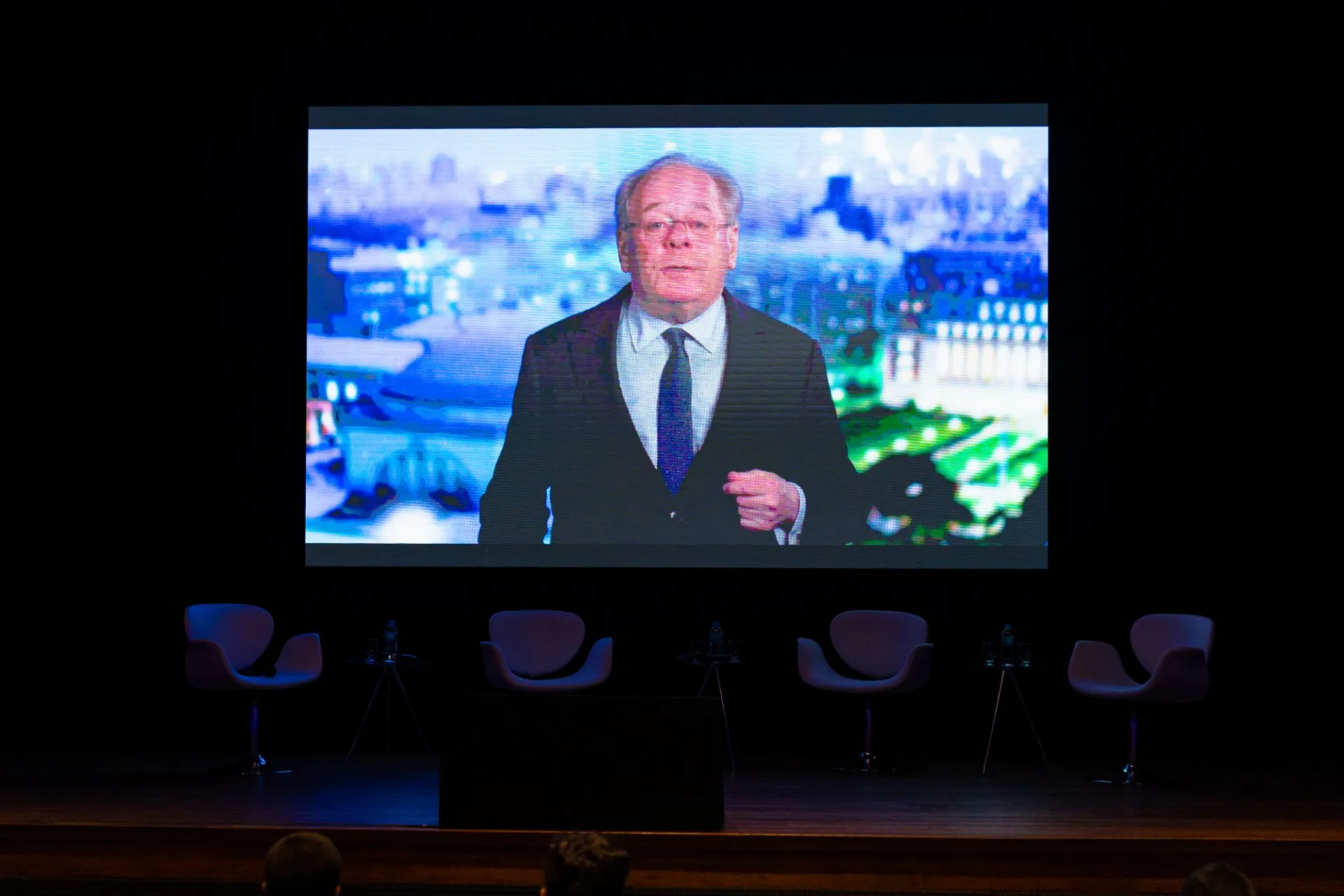
Slide 3: Dr. Steve Cohen, Climate Change: Resilience and Energy in the Niteroi and Rio de Janeiro Regions Conference, April 2024
-
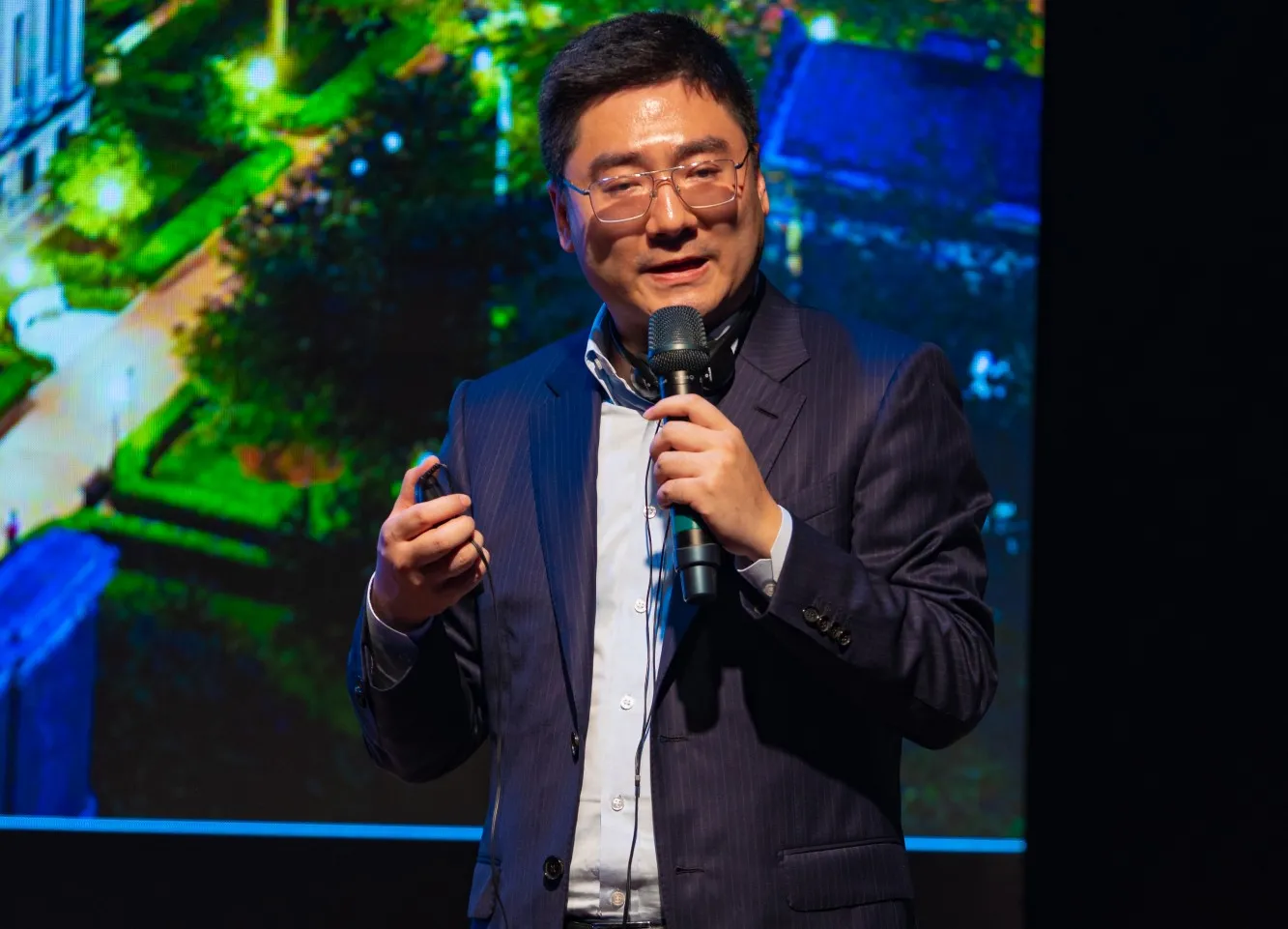
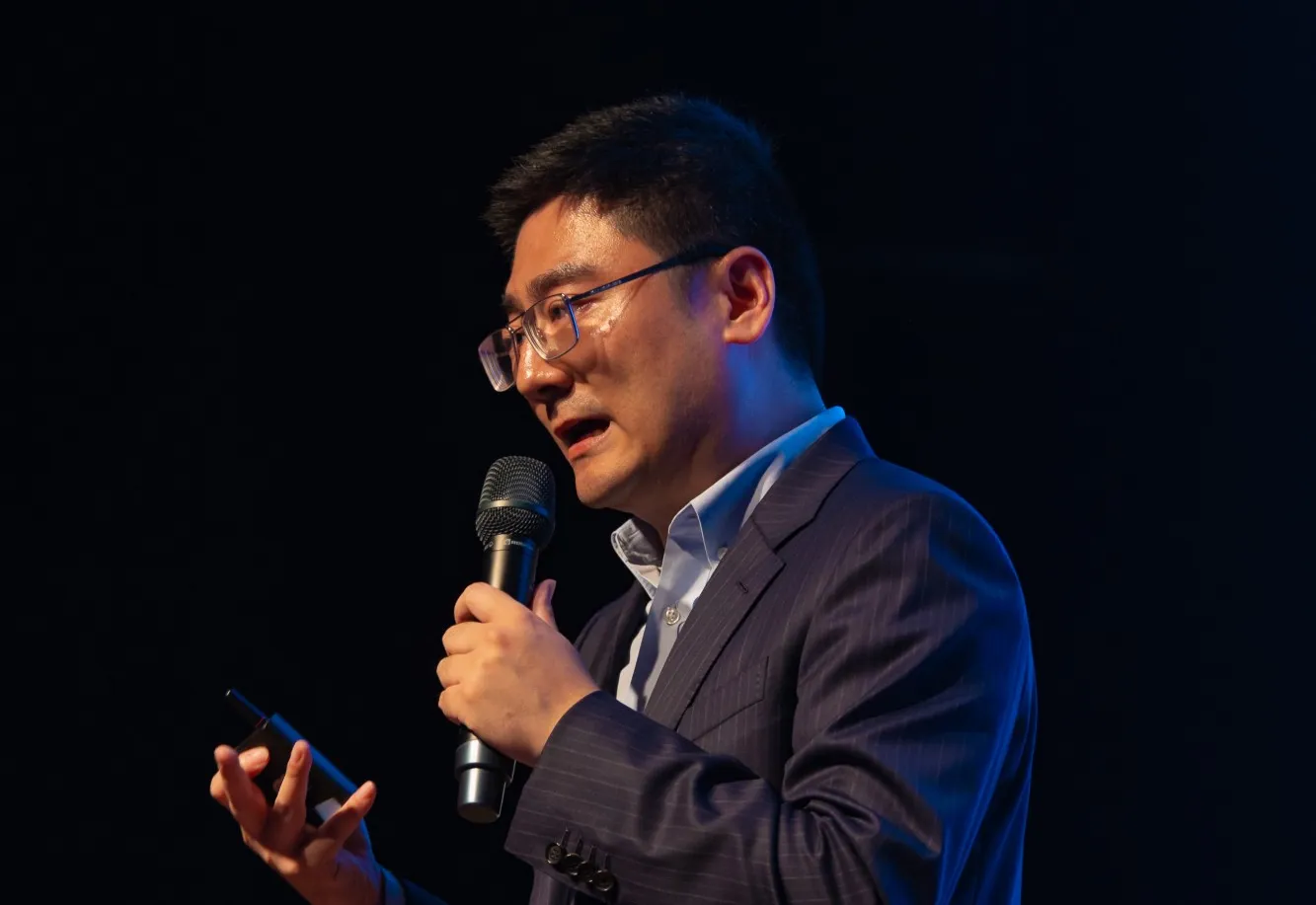
Slide 4: Dr. Dong Guo, Climate Change: Resilience and Energy in the Niteroi and Rio de Janeiro Regions Conference, April 2024
-
Slide 5: Climate Change: Resilience and Energy in the Niteroi and Rio de Janeiro Regions Conference, April 2024
-
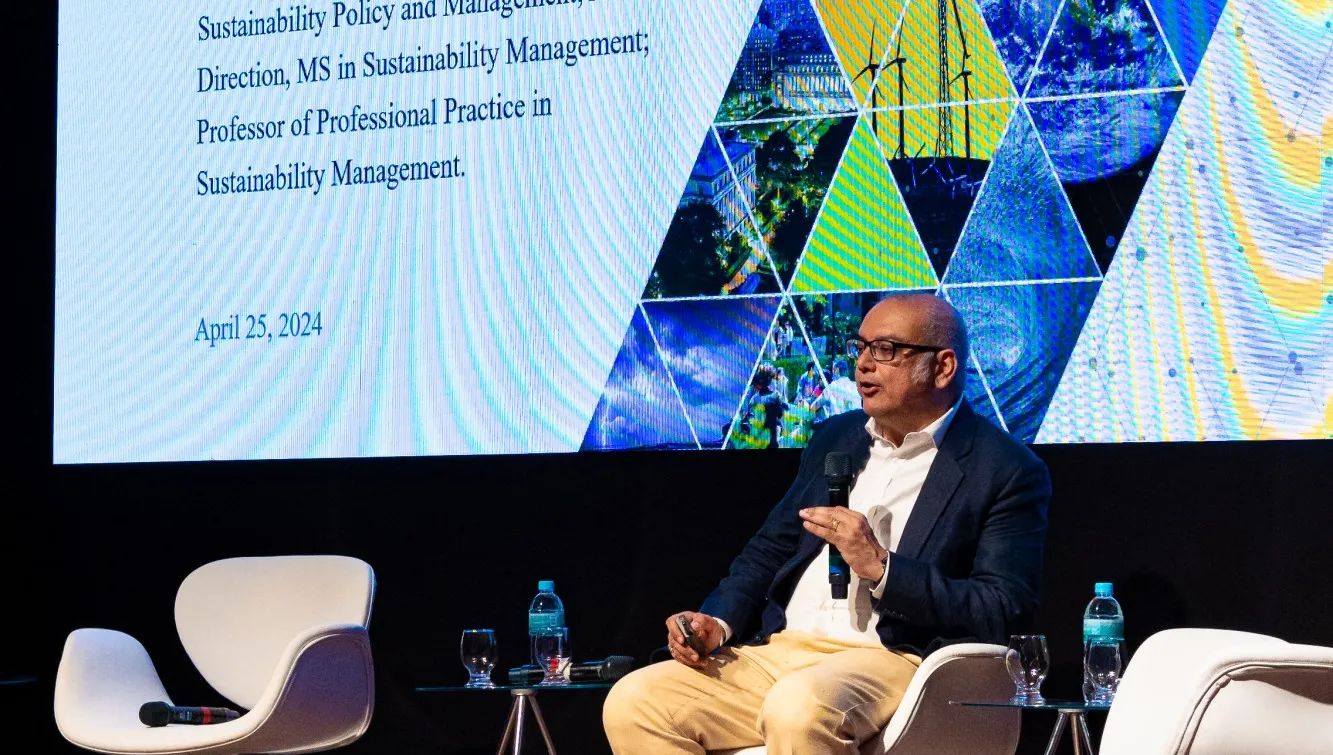
Slide 6: Dr. Satyajit Bose, Climate Change: Resilience and Energy in the Niteroi and Rio de Janeiro Regions Conference, April 2024
-
Slide 7: Climate Change: Resilience and Energy in the Niteroi and Rio de Janeiro Regions Conference, April 2024

Read more about our lectures:
Watch Dr. Cohen's lecture here.
Climate change has exacerbated environmental conditions that pose a threat to human settlements: a warming planet has made the ocean warmer, increased evaporation, and added moisture to storm systems, which in turn has increased the frequency and intensity of storms, something that is only expected to worsen as climate change increases. As glaciers melt, they add to the volume of water in the world’s oceans, resulting in sea level rise. Even without extreme weather events, rising sea levels can cause flooding.
As our global population has grown, more and more people are living in the pathway of destruction, whether it be from flooding and storm surge along our shorelines or from wildfires, drought, and extreme heat inland. Urban areas, while being essential for efficient use of land and distribution of resources, also are subject to extreme levels of devastation from severe weather and natural disasters due to high concentrations of people and infrastructure.
Another risk of extreme weather is that it can make it difficult to deploy emergency services and resources to reach those in need, as flooding and landslides may cause gridlock, downed trees and powerlines may cause homes to be unreachable, communication lines may become disrupted, and hospitals may become damaged, further delaying essential care. Given that our lifestyles are so energy-dependent and reliant on shared energy, water, sewage, and sanitation services, interruption of these resources and services can be massively disruptive, recovery from which is often both expensive and time-intensive.
This lecture details the climate change challenges faced by New York City and the city’s efforts to mitigate and adapt to climate change, using the extreme weather event of Hurricane Sandy as a case study and key turning point in the city’s strategy.
New York City is vulnerable to flooding from extreme weather and sea level rise, with over 520 miles of coastline. Heavy storms also pose risks to the wastewater system, sometimes resulting in overflows of sewage treatment areas. Heat in New York City, particularly in Manhattan, is at times hotter than its surrounding area due to the “Urban Heat Island Effect,” leading not only to health risks to its inhabitants but also to increased demand on the electricity grid.
In October 2012, Hurricane Sandy hit the East Coast of the United States: in New York City, 43 people died, and entire communities were destroyed. The hurricane left most of the city without electricity for days or weeks, shut down some subway lines for months, and resulted in an estimated $19 billion of damages in NYC alone. This superstorm demonstrated the weaknesses in many of our critical systems and infrastructure to major weather events and was the impetus for many of the adaptation interventions used in the city today.
The development of the city’s first sustainability plan, PlaNYC 2030, was led by then-Mayor Mike Bloomberg with the goal of building broad-based consensus behind environmental sustainability politics. A key element of this plan was that it tied environmental sustainability to economic development. Through the input of over 20 city agencies, the plan consisted of 10 goals and 127 initiatives to address issues of land use, parks, affordable housing, transportation, air and water quality, energy supply and demand, and climate change mitigation and adaptation.
However, climate adaptation was not heavily emphasized in PlaNYC, leading to the next iteration of the plan released in June 2013: “A Stronger, More Resilient New York.” This plan contained recommendations both for rebuilding the communities impacted by Sandy and increasing the resilience of infrastructure and buildings. The plan contained over 250 initiatives aimed at further protecting the coastline—the first defense against storms and rising sea levels—as well as strengthening buildings and all the vital systems that support the life of the city, including the energy grid, transportation systems, parks, telecommunications networks, healthcare system, and water and food supplies.
In 2015, then-Mayor de Blasio linked sustainability to his top goal of reducing income inequality and changed the name of PlaNYC to OneNYC, which added a focus on social equity and more explicitly addressed climate resiliency. The vision of OneNYC is an NYC with an inclusive, equitable economy that allows all New Yorkers to live with dignity and security.
Most recently in 2023, Mayor Eric Adams released the next iteration of the plan, “PlaNYC: Getting Sustainability Done,” which highlights efforts the city is taking to protect New Yorkers from climate threats, improve quality of life, and build the green economy. This plan prioritizes the on-the-ground execution and implementation of promises made to New Yorkers in previous plans to reimagine communities and create a more equitable, healthy, and resilient future. A key aspect of this plan is that it identifies opportunities to leverage available state and federal funding sources to deliver both near-term benefits and achieve long-term climate goals.
Billions of dollars have already been spent in NYC to adapt to climate change, primarily focused on withstanding flood events by restoring beaches, bulkheads, and jetties, reconstructing and strengthening boardwalks, raising single-family homes in flood zones, protecting electric generation systems against flooding, relocating building utility rooms out of basements in developments located near the shoreline, constructing more permeable surfaces in parks, road medians, and other public spaces, planning additional green infrastructure, and changing zoning and building codes to reduce damage from flooding.
New York City has also implemented policies and initiatives to mitigate climate change, such as enacting Local Law 97 (which aims to reduce greenhouse gas emissions from large buildings), increasing bike lanes and supporting the CitiBike bicycle sharing system, constructing electric vehicle charging stations, increasing the use of solar arrays on buildings, and increasing the use of energy efficiency measures such as insulated windows and sensor-driven lighting systems.
These mitigation and adaptation strategies are aimed at transitioning NYC to an environmentally sustainable city. An environmentally sustainable city is defined as a city that uses resources as efficiently as possible, uses renewable resources as much as possible, recycles as much as possible, and has the least possible impact on the natural environment. Sustainable cities are where citizens can find decent work and businesses can thrive, where there is social mobility and equity, and where there is a minimized ecological footprint and adequate preparations for changing environmental conditions.
All of this requires the organizational capacity to collect and recycle waste, generate renewable energy, and maintain energy efficiency. Both private-sector initiative and public-sector direction, incentivization, and responsibility are needed to produce green solutions to sewage treatment, waste management, water filtration, air pollution control, toxic waste regulation and treatment, mass and personal transit, and infrastructure revitalization. Support at the community level, too, is required for the successful implementation of local sustainability policy.
With a growing global population and increased energy use, energy demand has increased substantially. To power a sustainable city, we need energy that is cheaper, more reliable, decentralized, less polluting, and less dangerous than fossil fuels. Infrastructure investment is needed in both power generation (e.g., solar, wind, geothermal, and hydropower), power distribution (e.g., smartgrids, microgrids, and high-voltage long-distance distribution lines), and power storage (i.e., battery technology).
Strategies for transitioning to an environmentally sustainable economy that can be gleaned from New York City’s approach is to connect economic growth to environmental sustainability. Policies should present environmental sustainability as central to economic modernization, take a positive approach that focuses on incentives rather than punishments, and focus on environmental and non-environmental sustainability metrics that are rigorously measured and continuously improved. A key aspect of advocating for and communicating about environmental sustainability is to emphasize common ground and shared values to build consensus. It is important to leverage public-private partnerships, as private organizations offer capital and the capacity for innovation and the public sector provides government leadership and regulatory authority. To build resiliency, it is critical to replace aging and decaying infrastructure and update zoning and building codes to accurately capture climate risks. Employing strategic thinking when siting solar arrays, utility rooms, grid infrastructure, and energy generation systems is key to minimize damages and limit energy disruption during extreme weather events.
While the transition to environmental sustainability is underway, building resiliency is more important than ever. Resiliency can be accomplished through public-private partnerships, strategic government planning and forward-thinking leadership, community engagement, investment in public infrastructure, and innovative new technologies.
Watch Dr. Baethgen's lecture here.
Climate change has become a critical challenge for society in both, developed and developing countries. As such it is included in national development plans throughout the world, and special funding mechanisms have been created to assist governments, especially in developing countries, to improve the adaptive capacity of their socioeconomic sectors to a changing climate. However, and in spite of these efforts there is still a generalized lack of implementation of concrete actions that allow to effectively embed adaptation to climate change in the agendas of most of the developing world.
Decision makers, including those responsible for elaborating policy, typically need to respond to problems that require immediate action. Moreover, the effect of such actions must be evident during the usually short terms in which those decision makers operate (typically 2-5 years, sometimes up to 10 years). Consequently, activities and policies targeting impacts that can only be seen in the longer term (e.g., 50 or more years) tend to attract less attention and become a lower priority.
Conversely, the scientific community working in climate change has been producing scenarios for a relatively far future (e.g., 50 to 100 years ahead). For example, the assessment reports that the IPCC has been elaborating since 1990, provide the best available projections of the world’s climatology based on the anticipated changes in the composition of the atmosphere and its impact on the Earth’s energy balance. This research has been crucial to raise the awareness of the general public on the need of alternative paths for development including the promotion of clean energy sources, practices that reduce deforestation, enhance carbon sequestration, and in general to support actions conducive to reduce net greenhouse gas (GHG) emissions.
However, the direct use of these climate projections for assessing the impacts on socioeconomic activities and thus inform decisions and policies present shortcomings. Firstly, they typically project changes in the climate means, while some of the most important climate related challenges to societies are those related to extreme events (floods, heat waves, droughts), and therefore, they provide limited information to assist actual decisions and planning.
Moreover, the possible scenarios of future climate produced with the best available scientific methods include uncertainty levels that often impose challenges to be considered in actual decision making and planning. These uncertainties are partially due to limitations in the scientific knowledge included in the climate models that are used to produce the scenarios (this is especially true in rainfall projections). Uncertainties are also the result of assumptions that need to be made about the future socioeconomic scenarios used to estimate the GHG atmospheric concentration that drive the climate models. These socioeconomic scenarios include a wide range of assumptions dealing with trade, energy sources, technology transfer, etc. for the next 50-100 years that inevitably embrace uncertainties.
Early interaction of the climate science community with stakeholders demanding assistance to improve adaptation to climate change encountered important obstacles. Typically, stakeholders found it difficult to act upon the available climate scenarios given the limitations resulting from the uncertainty levels and the lack of consideration of relevant temporal scales discussed above.
In response to these challenges, alternative approaches were developed in institutions that operate in the interface of the scientific and the user communities such as Columbia University’s IRI (https://iri.columbia.edu). These approaches consider the longer-term climate variations (“climate change”) as part of the continuum of the total climate variability, from months and seasons through decades and centuries, and aim to generate information at the temporal scale that is most relevant and applicable for the particular time frames or planning horizons of the different decisions. One of the key premises of these approaches is that improving the adaptive capacity of societies to confront current climate variability and its extremes lead to societies that will be more resilient and better adapted to the longer-term climate change.
The approach that the IRI proposes to manage the full spectrum of risks and opportunities associated with a changing climate (“climate risk management”) is sustained on four key pillars:
- Identify vulnerabilities and potential opportunities due to climate variability and change for a given system (agriculture, water, public health, natural ecosystems, etc.), in close collaboration with stakeholders.
- Characterize and quantify uncertainties in climate information in order to improve the use of that information. Understanding the climate aspects of vulnerabilities and opportunities requires: (a) learning from the past, i.e., understanding the characteristics of climate at different time scales and assessing its socioeconomic impacts, (b) monitoring the present conditions of relevant environmental factors (climate, vegetation, streamflow, diseases, etc.), and (c) providing the best possible information of the future, at relevant time scales (weeks, months, seasons to decades).
- Identifying technologies and practices that optimize results in normal or favorable years and/or reduce vulnerabilities to adverse climate. Examples in agriculture include crop diversification, crop rotations, improved tillage systems, increased water soil storage capacity, improved crop water use efficiency, drought-resistant cultivars.
- Identifying policies and institutional arrangements that reduce exposure to climate hazards and enable to take advantage of favorable climatic conditions. Exposure reduction can be achieved, for example, with improved early warning and response systems, and by transferring portions of the existing risks with different forms of insurance.
Typically, a portfolio of approaches is necessary. For example, insurance covering extreme negative events, diversification covering moderately negative events, and forecast/scenario use to capture opportunities in years with favorable climate conditions given the downside risk is covered by other parts of the portfolio.
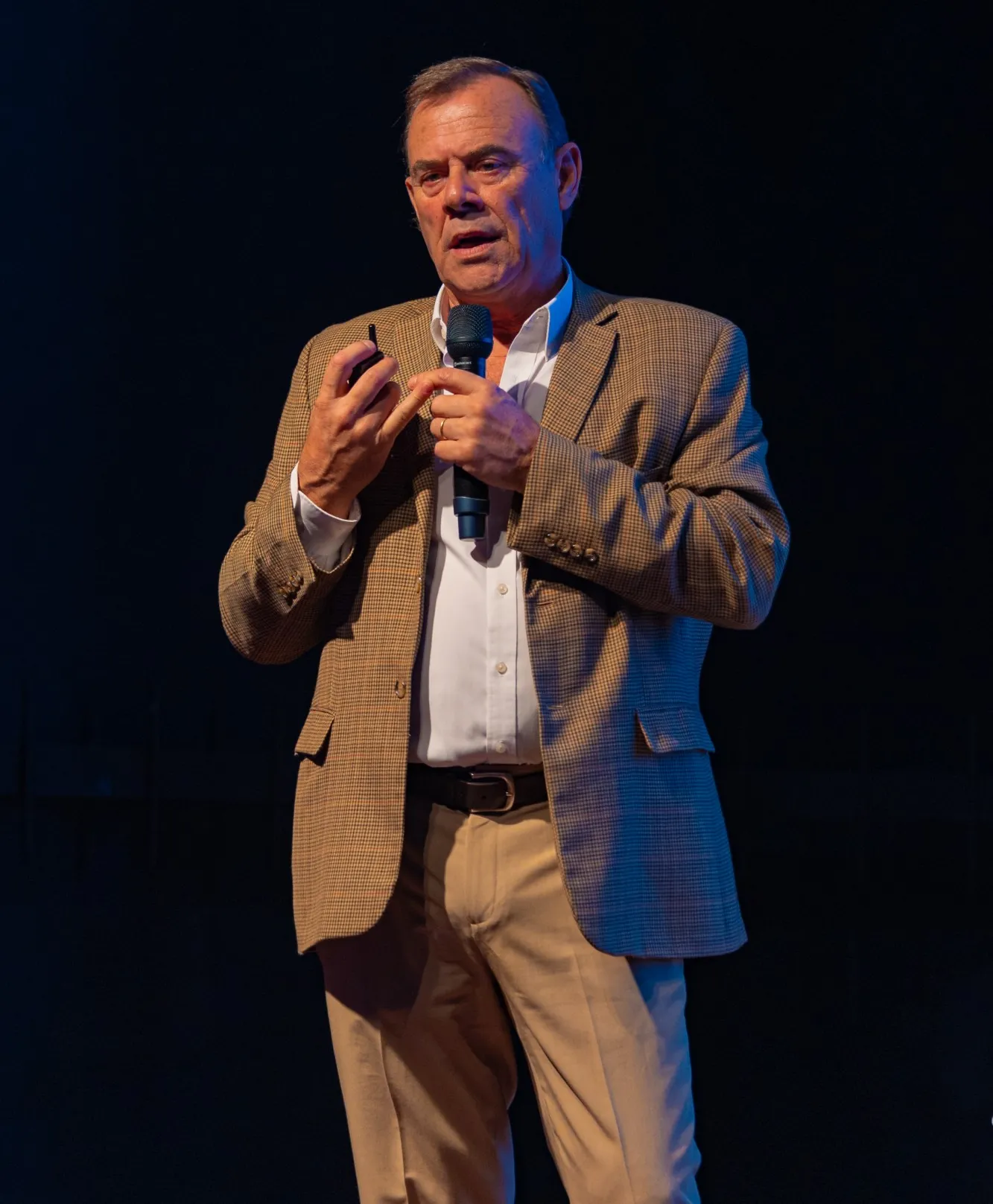
Watch Dr. Bose's lecture here.
Adaptation finance describes new and additional funding for all climate adaptation efforts, including the development of adaptive capacity and enhancement of resilience. Adaptation finance faces a dual requirement to address both vulnerability and profitability. This complicates the design of financial instruments, giving rise to a need to compare the costs and benefits of resilience. There are continuing calls to deploy significant amounts of capital to address the needs of adaptation investments. This presentation outlines private funding mechanisms to support community energy infrastructure and adaptation investments. We discuss instruments & approaches such as green & resilience bonds, CDFIs, blended finance and risk transfer mechanisms in a developing country context.
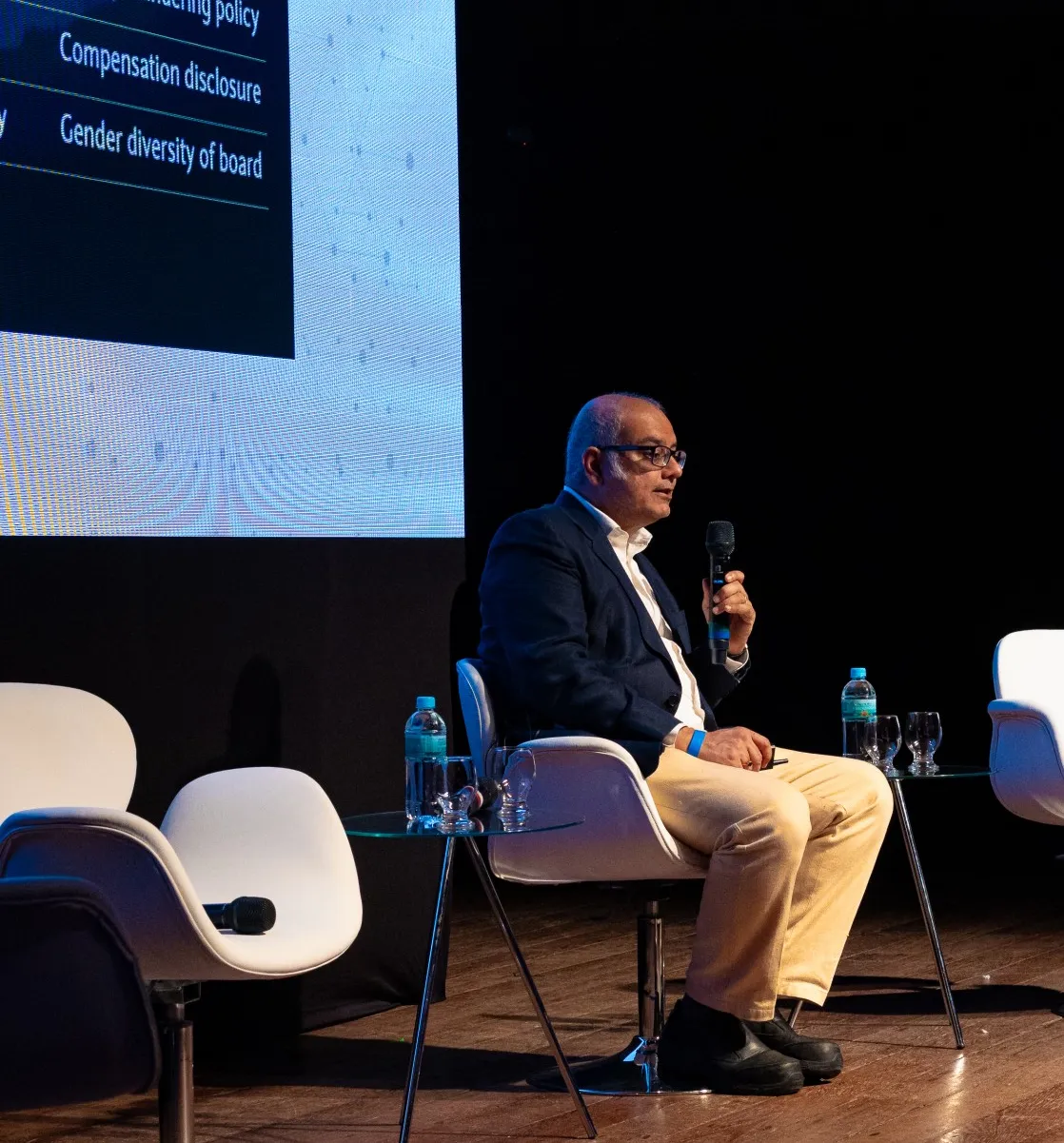
There is a growing consensus that cities hold the key to a successful sustainability transition. To make our cities more sustainable, we need reliable data and measurement frameworks to inform decision-making. However, the lack of credible and long-term sustainability data at all levels hampers the measurement, tracking, and comparison of city-level performances on sustainability. This presentation outlines the important role cities play in the sustainability transition and highlights the poor state of sustainability data. It also introduces a framework of indicators developed by our Research Program on Sustainability Policy and Management, in collaboration with our research partners, to track the sustainability transition of cities in China and globally. This framework could be particularly useful for cities in Brazil and other developing countries.