
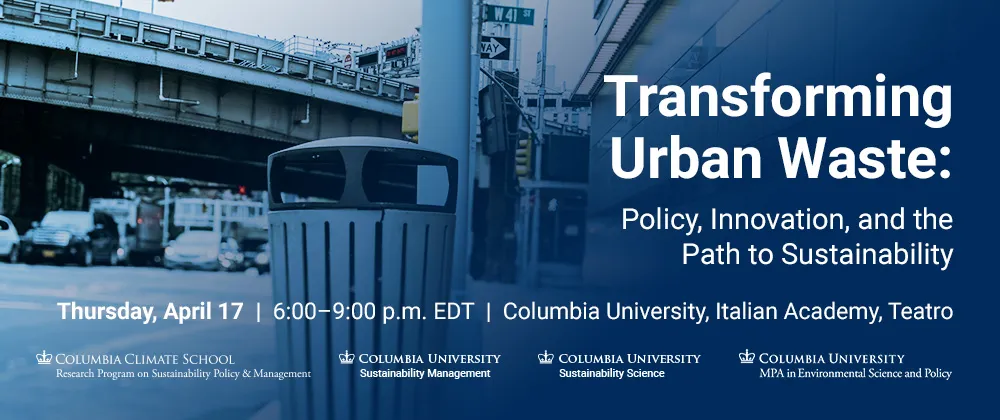
Transforming Urban Waste: Policy, Innovation, & the Path to Sustainability - Event Program
About the Event:
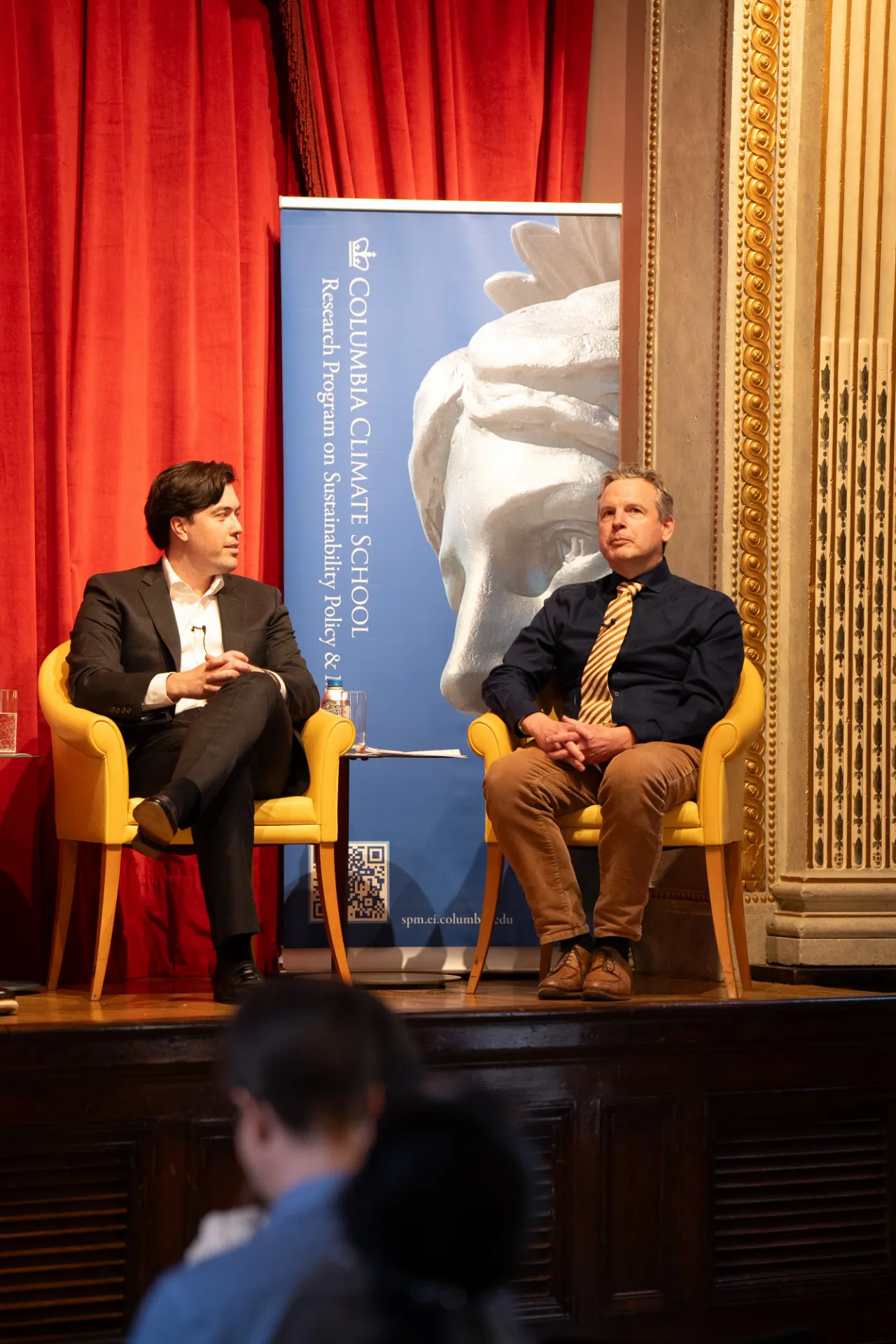
Waste management and treatment is an ever-growing issue, influenced by consumerism trends, continued urbanization, and rising public awareness. Tackling this issue will require significant innovative thinking, both from policymakers and the technological sector. Join the Research Program on Sustainability Policy and Management, the MS Program in Sustainability Management, the MS Program in Sustainability Science, and the MPA Program in Environmental Science and Policy for a conversation about the role of urban policy at the municipal, state, and federal levels, as well as new technological approaches in shaping effective solutions for the future of waste management in New York City and beyond.
Dr. Alexis Abramson is the dean of the Columbia Climate School and a Professor of Climate. She is a climate thought leader and an expert in sustainable energy technology, with extensive experience in academic administration. Professor Abramson’s research has focused broadly on thermal transport, from designing nanostructured materials to addressing building energy efficiency. Before coming to her role at Columbia in January 2025, Professor Abramson served as the dean of the Thayer School of Engineering at Dartmouth.
Prior to her tenure at Dartmouth, she was the Milton and Tamar Maltz Professor of Energy Innovation at Case Western Reserve University and served as a director of that university’s Great Lakes Energy Institute where she focused on creating sustainable energy technology solutions. Abramson also co-founded Edifice Analytics, a start-up that conducts virtual energy audits and manages building efficiency optimization.
During the Obama administration, Abramson held the role of chief scientist and manager of the Emerging Technologies Division at the U.S. Department of Energy’s Building Technologies Office. She has previously served as a technical advisor to Breakthrough Energy Ventures, established by Bill Gates to invest in startup companies with significant potential to mitigate climate change.
Professor Abramson’s research has included novel techniques for thermal characterization of nanostructures, the design and synthesis of unique nanomaterials for use in alternative energy applications, and strategies to accelerate technology commercialization at universities and research institutions. She has also written about gender imbalances in academic settings and the importance of taking a human-centered and multidisciplinary approach to education and research, particularly in STEM and related fields.
Professor Abramson earned her BS and an MS in Mechanical Engineering from Tufts University and a PhD in Mechanical Engineering from the University of California, Berkeley.
Dr. Steven Cohen is the Director of the Research Program on Sustainability Policy and Management at Columbia’s Climate School. He is a Professor in the Practice of Public Affairs at the Columbia University School of International and Public Affairs (SIPA), the Senior Vice Dean at the Columbia University School of Professional Studies (SPS), and the Program Director of the M.S. in Sustainability Management program at SPS and the MPA in Environmental Science and Policy program at SIPA. From 2006 to 2018, he was the Executive Director of Columbia University’s Earth Institute.
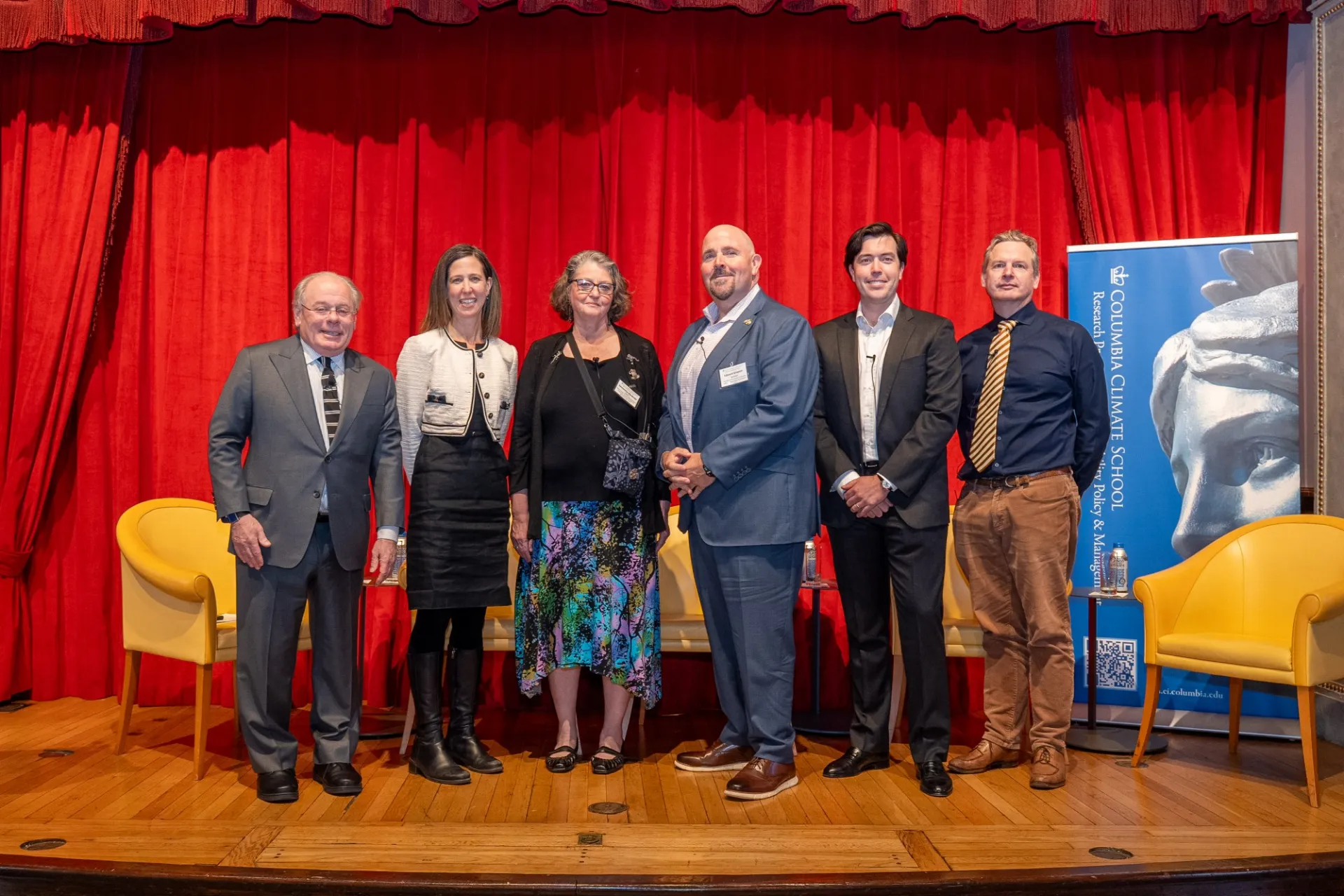
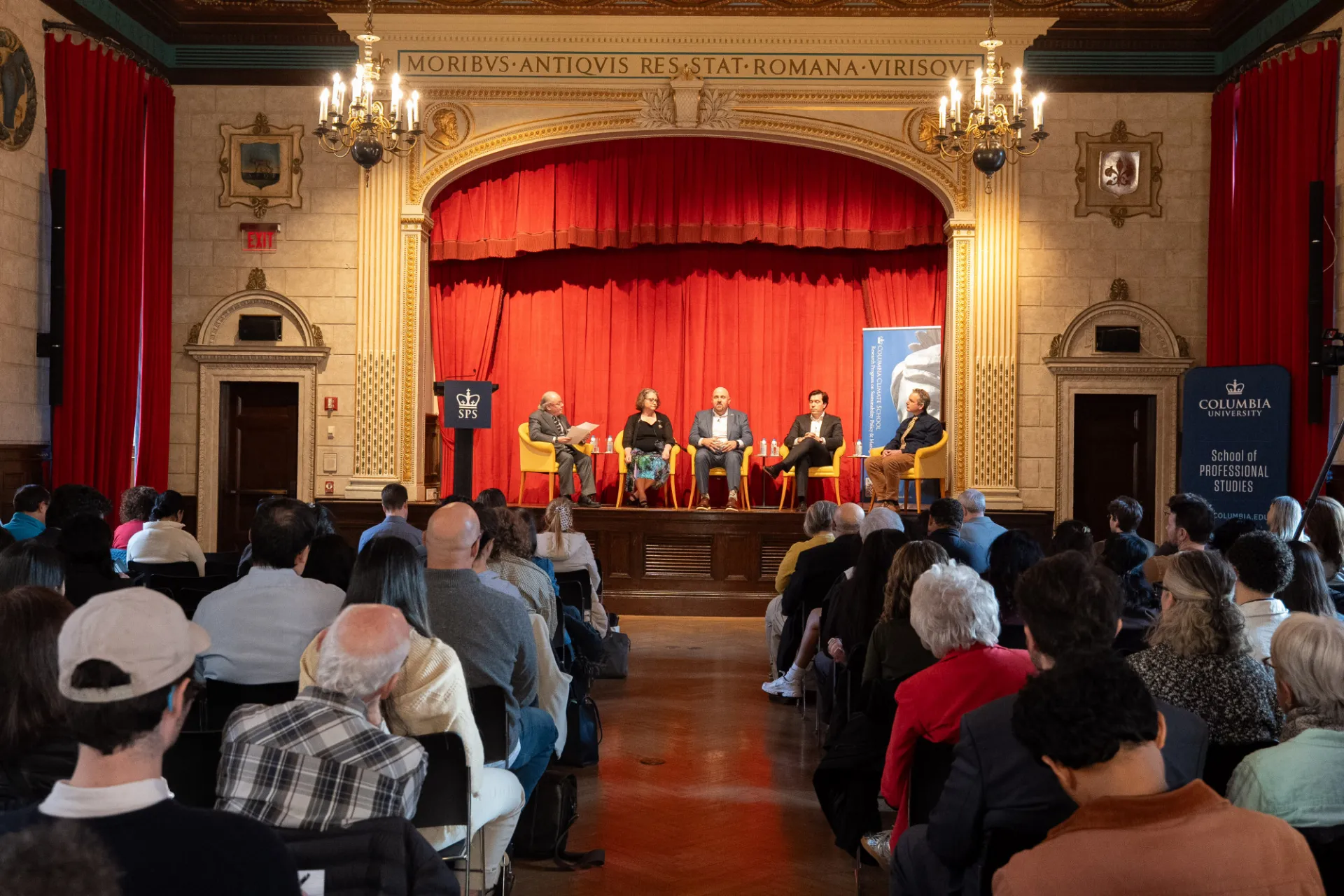
Panelists:
Edward Grayson served as the 44th Commissioner of the New York City Department of Sanitation (DSNY) from 2020-2022. Commissioner Grayson began his career in 1999 as a Sanitation Worker and rose steadily through the ranks over his 23 years of service. In his tenure, he has developed, and implemented many programs, initiatives, and deployment strategies to foster the core values of the Department; “Safety, Service and Sustainability". Founded in 1881, DSNY is the largest Municipal Agency of its kind in the world, serving the almost 8.5 million residents of NYC with distinction and collecting 12,000 tons of trash, recyclables, and compostable material every day.
Jamie Lowrey is the Director of Strategic Operations at Circular Services, where he leads projects to improve recycling facility performance and supports business growth across the recycling and organics divisions. He oversees facility upgrades that increase material recovery rates, develops data-driven KPI systems to measure success, and facilitates industry partnerships that advance practical sustainability goals. Jamie's work bridges day-to-day operations with high-level strategy, helping transform how materials recovery facilities adapt to changing waste streams and market demands in today's evolving environmental landscape.
Dr. Samantha MacBride is an Adjunct Assistant Professor at the Marxe School of Public and International Affairs at Baruch College, CUNY. Her research focuses on municipal operations, public management, and measurement and technology in environmental governance. She worked for 25 years in sanitation and wastewater treatment and is now an Advisor to Earth Matter, a community compost organization in NYC.
Dr. Christoph Meinrenken is a Professor of Practice in Columbia's Faculty of Professional Studies, a Principal Investigator at the Climate School's Research Program on Sustainability Policy and Management, the Academic Director of the M.S. degree in Information & Knowledge Strategy (IKNS), and an Affiliate of the Foundations of Data Science Center at the Data Science Institute. Meinrenken also co-chairs the Columbia University Seminar on Complexity Science, Modeling, and Sustainability. An expert in Life Cycle Assessment and enterprise-scale product analytics, he has worked with the World Resources Institute, Carbon Disclosure Project (CDP), and The Sustainability Consortium, and consulted several globally operating consumer goods manufacturers. Before joining Columbia in 2009, Meinrenken worked on modeling molecular spectra (MSE, Princeton University, 1996) and computational neuroscience (PhD Physics, Max Planck Institute, 2001). In addition to academic research and teaching, Meinrenken spent several years in the private sector, specializing in financial engineering and risk management.
Image Carousel with 8 slides
A carousel is a rotating set of images. Use the previous and next buttons to change the displayed slide
-
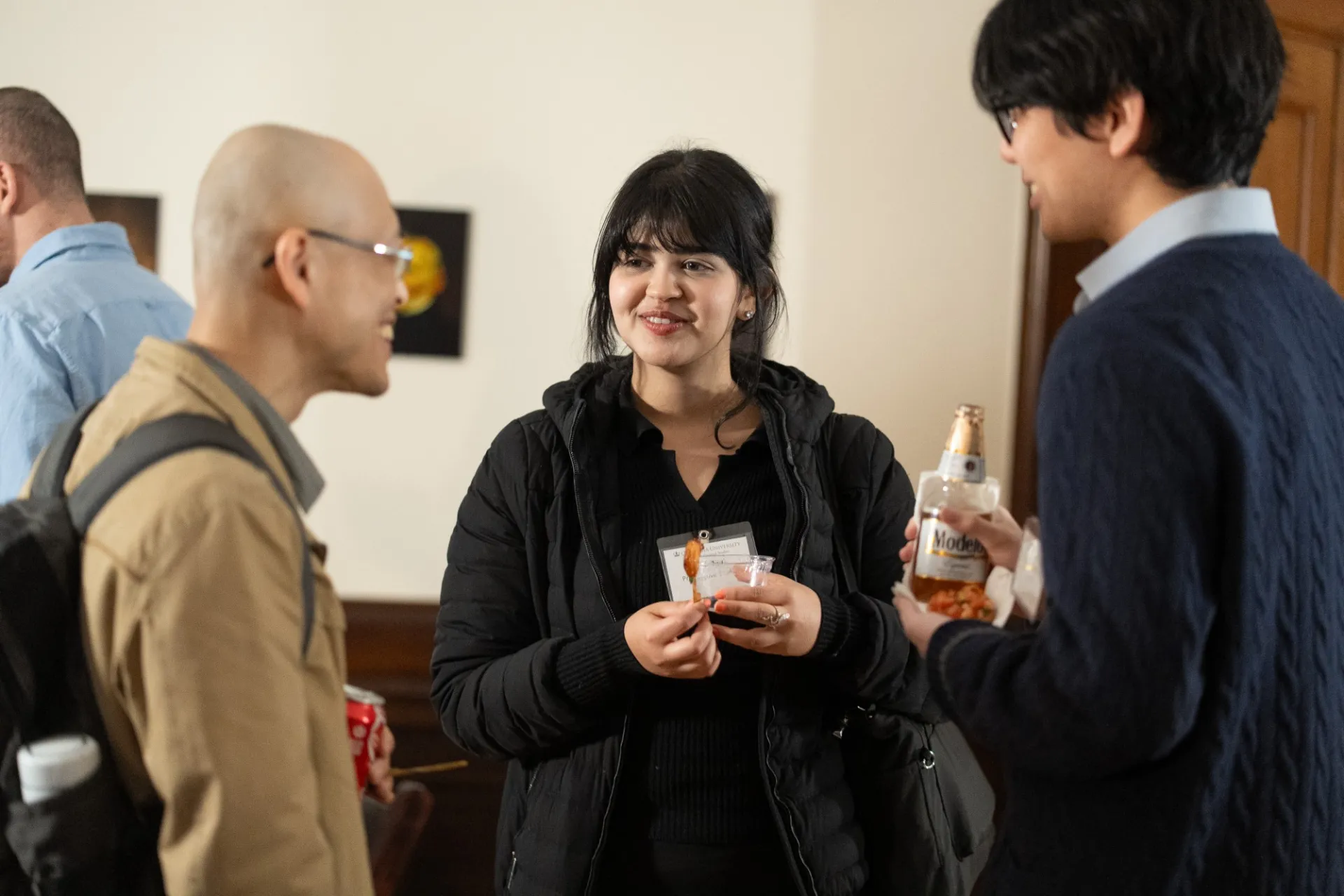
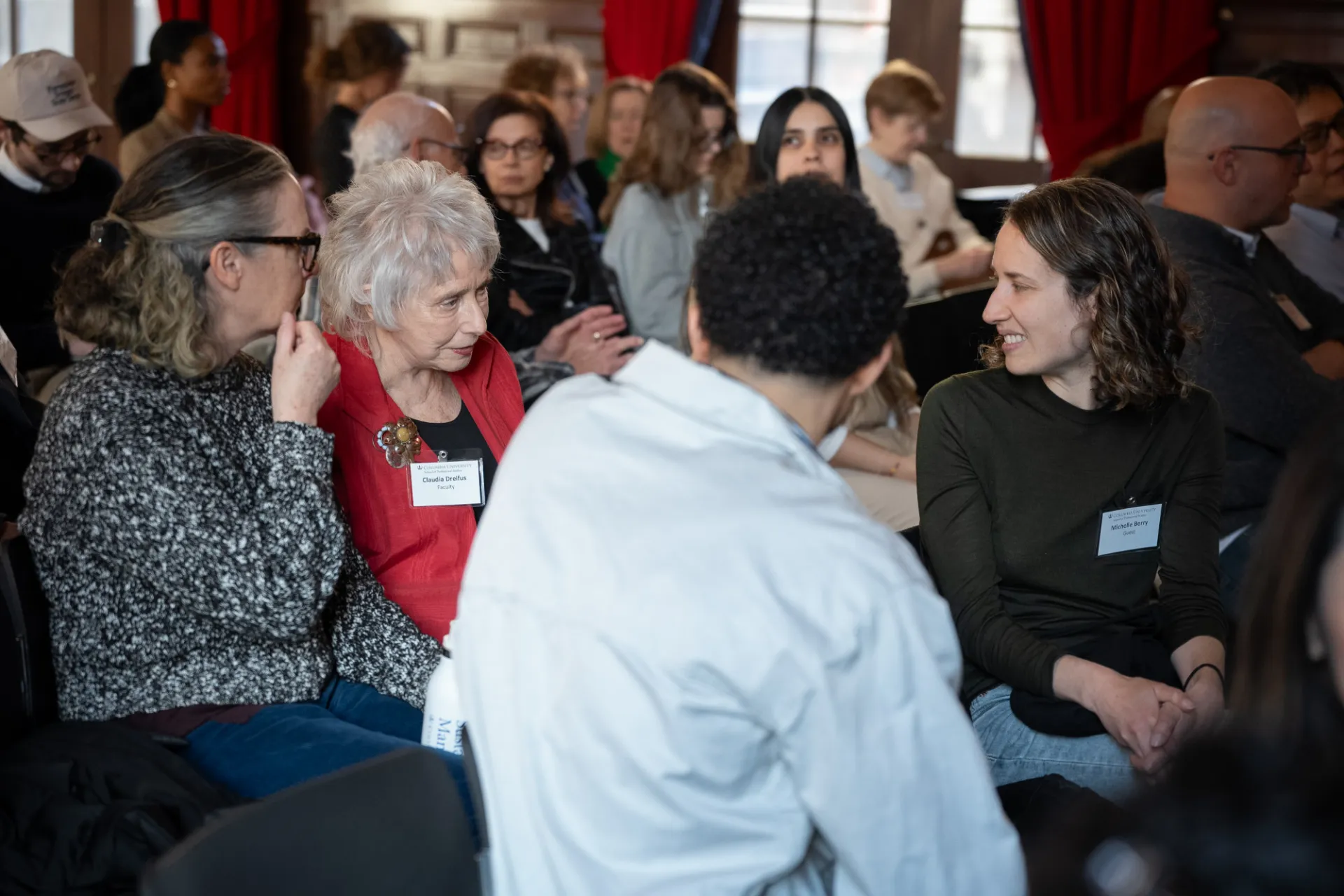
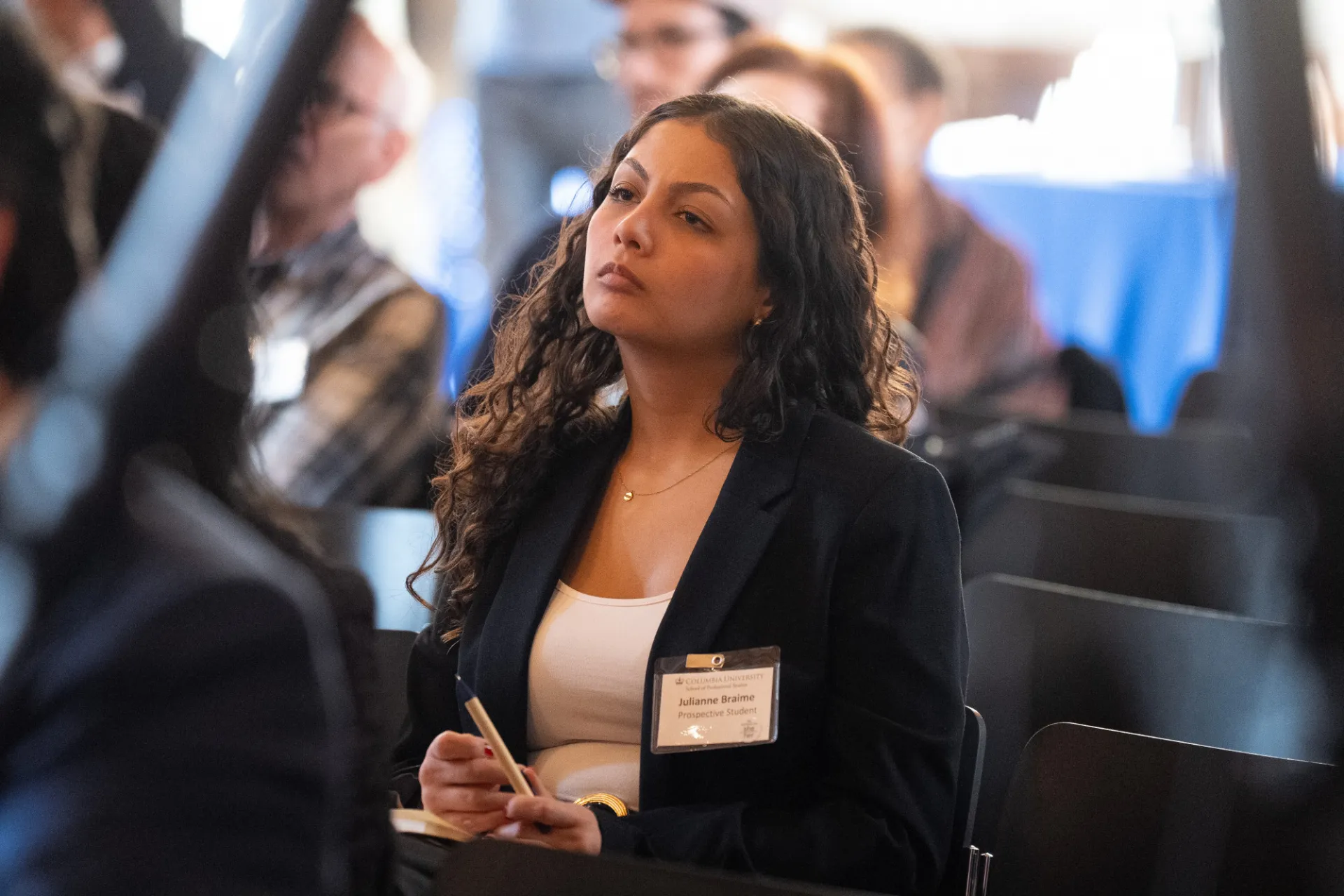
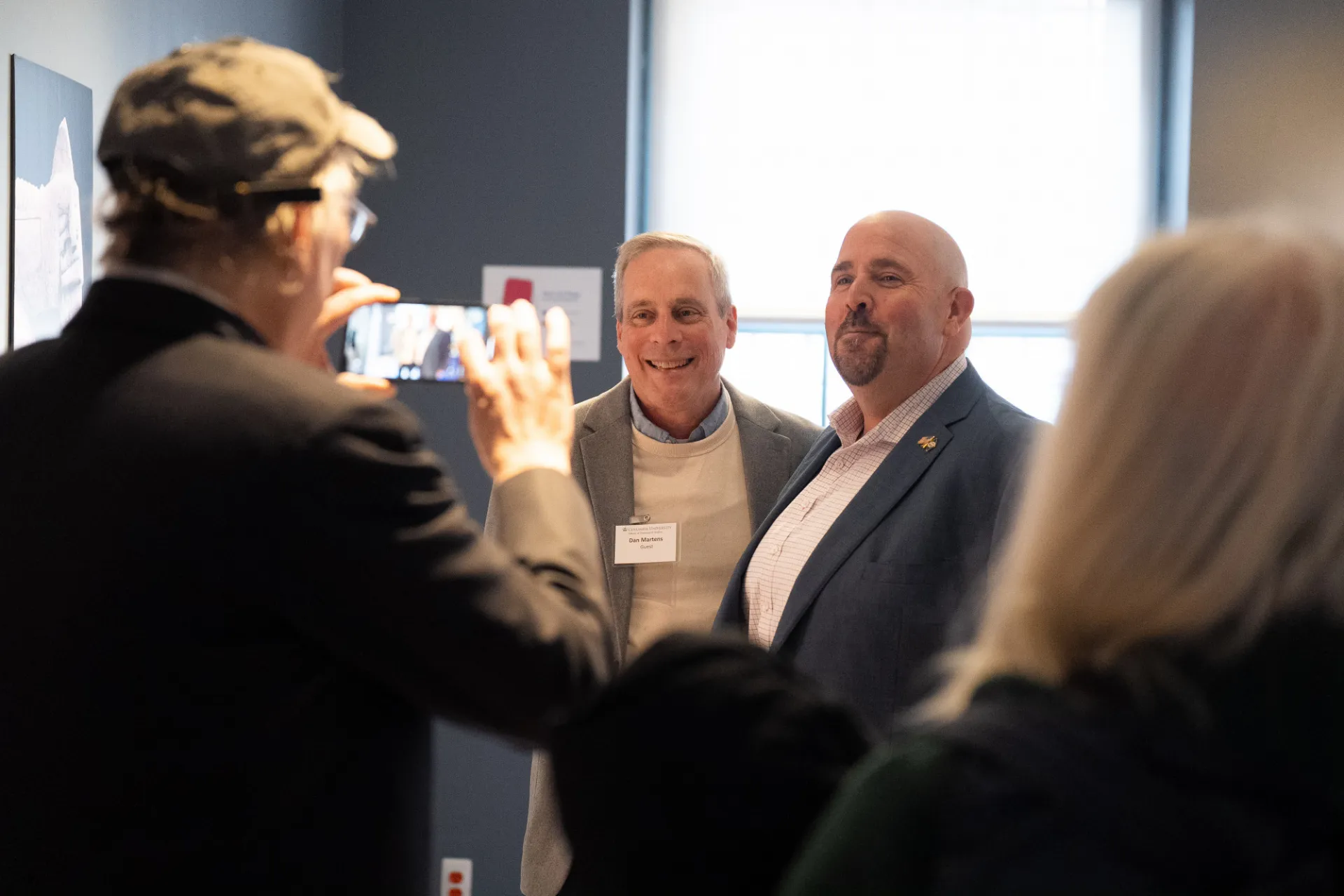
Slide 1: Urban Waste Innovation Event
-
Slide 2: Urban Waste Innovation Event
-
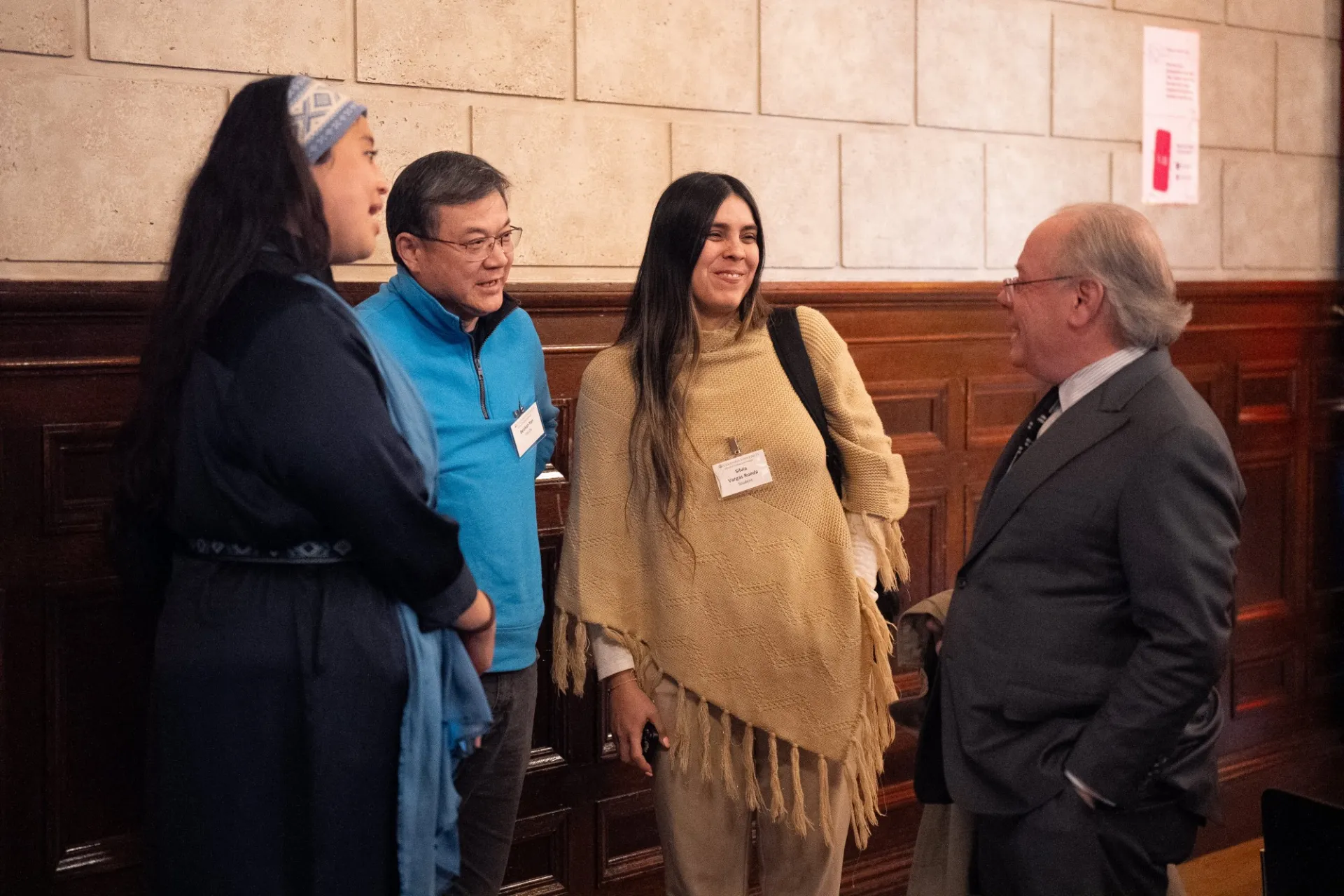
Slide 3: Urban Waste Innovation Event
-
Slide 4: Urban Waste Innovation Event
-
Slide 5: Urban Waste Innovation Event
-
Slide 6: Urban Waste Innovation Event
-
Slide 7: Urban Waste Innovation Event
-
Slide 8: Urban Waste Innovation Event
This event is sponsored by the Sustainability Management Master's Program, the Sustainability Science Master's Program, the Environmental Science and Policy Master's Program and the Research Program on Sustainability Policy and Management.