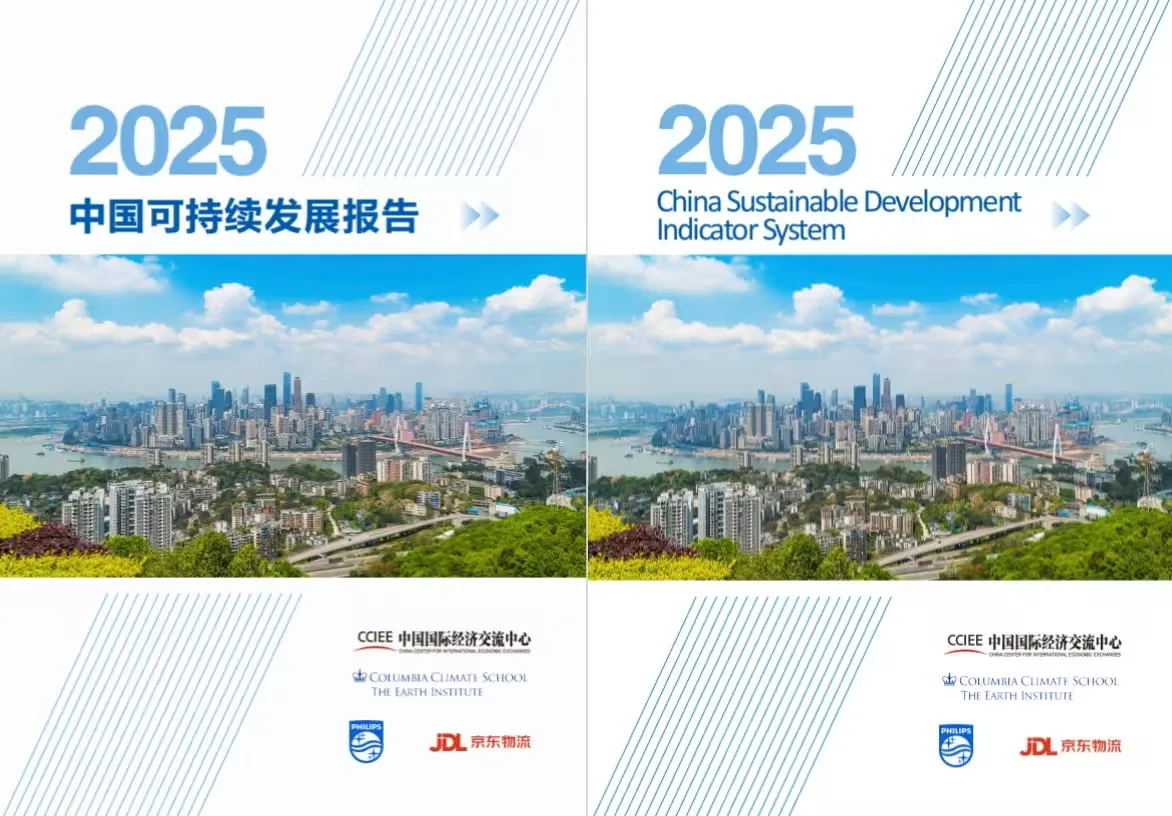
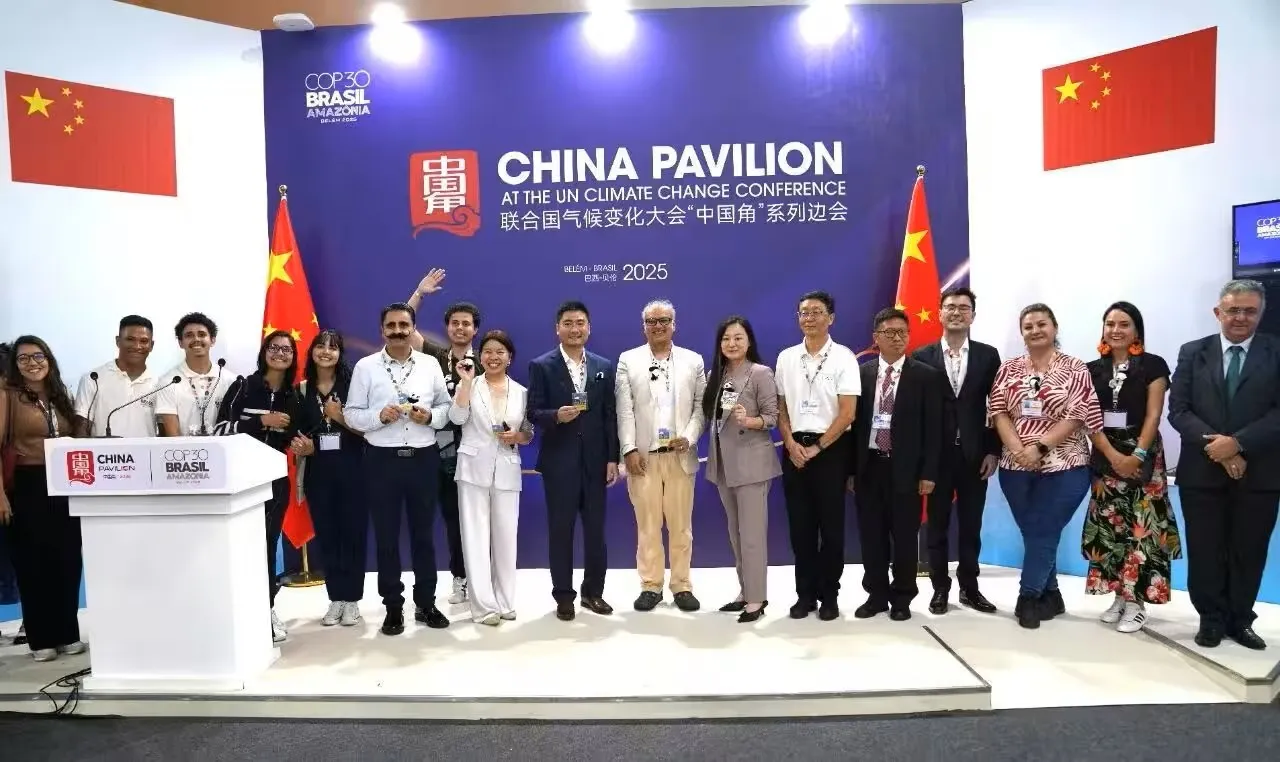
At the event, the urban sustainability report for 2025, China Sustainable Development Indicator System was launched. That system is part of an SPM-led project that seeks to integrate various statistical methodologies to design a robust sustainability metrics framework and indicator set that covers the economic, environmental, social and institutional aspects of sustainability for Chinese cities. While the concept of sustainable development has been widely accepted in China, the use of sustainability metrics is still growing. Chinese corporations and governments previously had a great deal of flexibility in choosing indicators, which makes it harder to provide standardized policy directives and meaningfully compare sustainability performance.
The Report on State Grid's Contribution to Global Security Initiative was also released during the session, marking the first contribution report by a Chinese enterprise on the implementation of the Global Security Initiative. It reports on the State Grid's practical cases and experience in ensuring energy security and promoting the green and low-carbon transition, offering the "Chinese model" and "Chinese solutions" for global reference.
In addition to the “Beautiful Bays, Better Lives, Ocean Civilization Storytelling Session”, Dr. Guo and Bose met with representatives from the Centro Universitário do Estado do Pará (CESUPA) and Instituto do Homem e Meio Ambiente da Amazônia (IMAZON) about potential collaboration opportunities. CESUPA is a higher education institution located in the Pará state in Brazil. IMAZON is a Brazilian and Amazonian non-profit scientific institution whose mission is to promote conservation and sustainable development in the Amazon and which uses advanced geospatial monitoring to track deforestation and promote sustainable development.
One of Dr. Guo’s key takeaways from COP30 is the necessity to balance rainforest protection with sustainable economic opportunities for the people living there, while increasing awareness of the Indigenous people of the Amazon as guardians of the forest.
Detailed information about this annually published sustainability evaluation, can be found on the project website.
Additional Coverage of the Beautiful Bays, Better Lives, Ocean Civilization Storytelling Session:
Antara News
CCTV
Global Times
Morningstar
Straits Times